
We recently realised we've never actually written about countertops before. We've covered the kitchen triangle, why drawers often beat cupboards, and the role of the kitchen island, but never the surface you use every single day. That changes today.
Countertops are one of the biggest decisions in a kitchen. They influence not just how your space looks, but how it functions, how much maintenance it needs, and how well it holds up over time. Let’s walk through the most common options on the market and what you can realistically expect from each.
Marble
When most people picture a luxury kitchen, marble is what comes to mind. And it’s easy to see why. Marble is a natural stone with distinctive veining, meaning no two slabs are ever the same. It has a softness and depth that’s hard to replicate, which is why it’s been used in architecture and design for centuries.
It’s also naturally cool to the touch, which makes it excellent for baking, especially when working with pastry or dough. With proper care, marble can last decades and even develop a patina that some homeowners love.
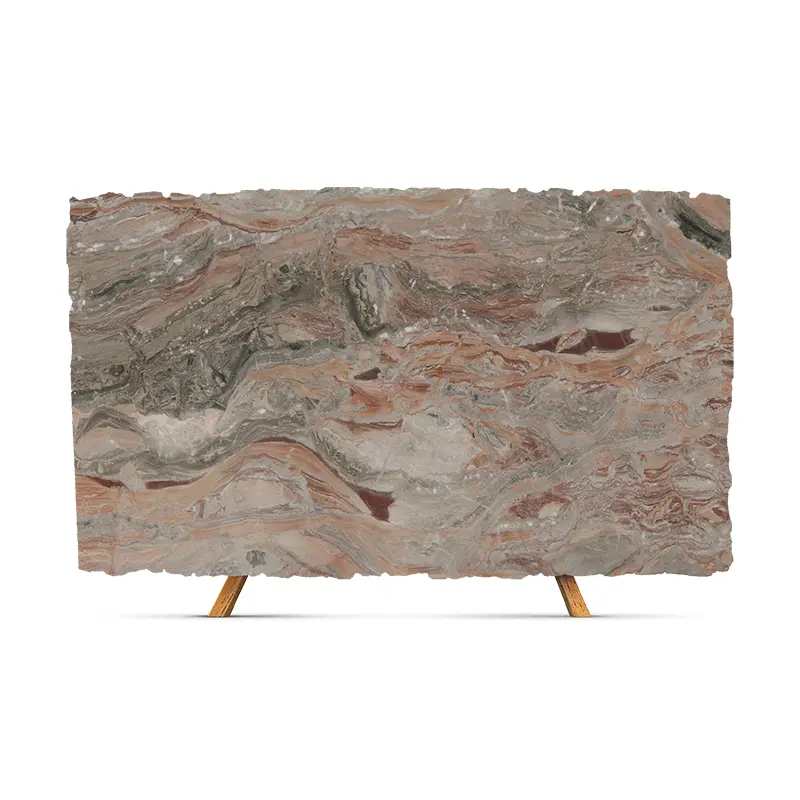
Image: WOMAG
That said, marble is not forgiving. It’s a porous material, which means it can stain and etch quite easily, especially from acidic substances like lemon juice, vinegar, or wine. It requires regular sealing (typically once or twice a year, depending on use), and even then, it’s not maintenance-free. It also sits on the higher end of the price spectrum. If you love the look but not the upkeep, it’s worth considering alternatives.
Granite
Granite is another natural stone, but it offers a different aesthetic. Where marble is known for its flowing veins, granite tends to have a more granular, speckled appearance.
It’s significantly harder and more durable than marble, making it more resistant to scratches and general wear. It also handles heat very well, which is ideal in a busy kitchen. While granite is still porous, it’s less prone to staining than marble and typically requires less frequent sealing.
Image: Wikipedia
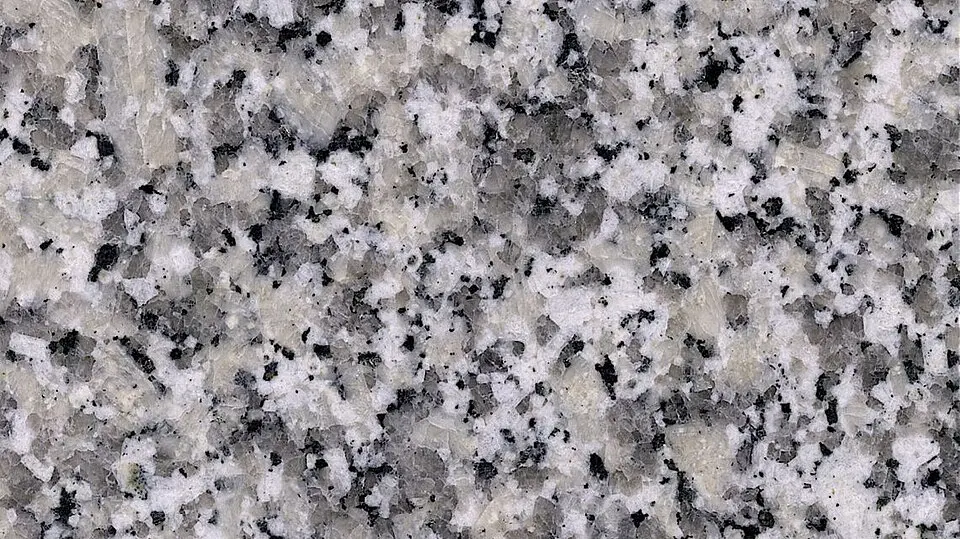
In terms of cost, granite varies widely depending on the rarity and origin of the slab. There are very affordable options, as well as premium ones. The key here is not to chase the cheapest slab, but to look for quality and proper installation.
Quartz
Quartz has quickly become one of the most popular countertop choices, and for good reason. Unlike marble and granite, quartz is engineered. It’s made from crushed natural quartz mixed with resins and pigments, which allows for a more controlled and consistent finish.
Image: ProQuartz
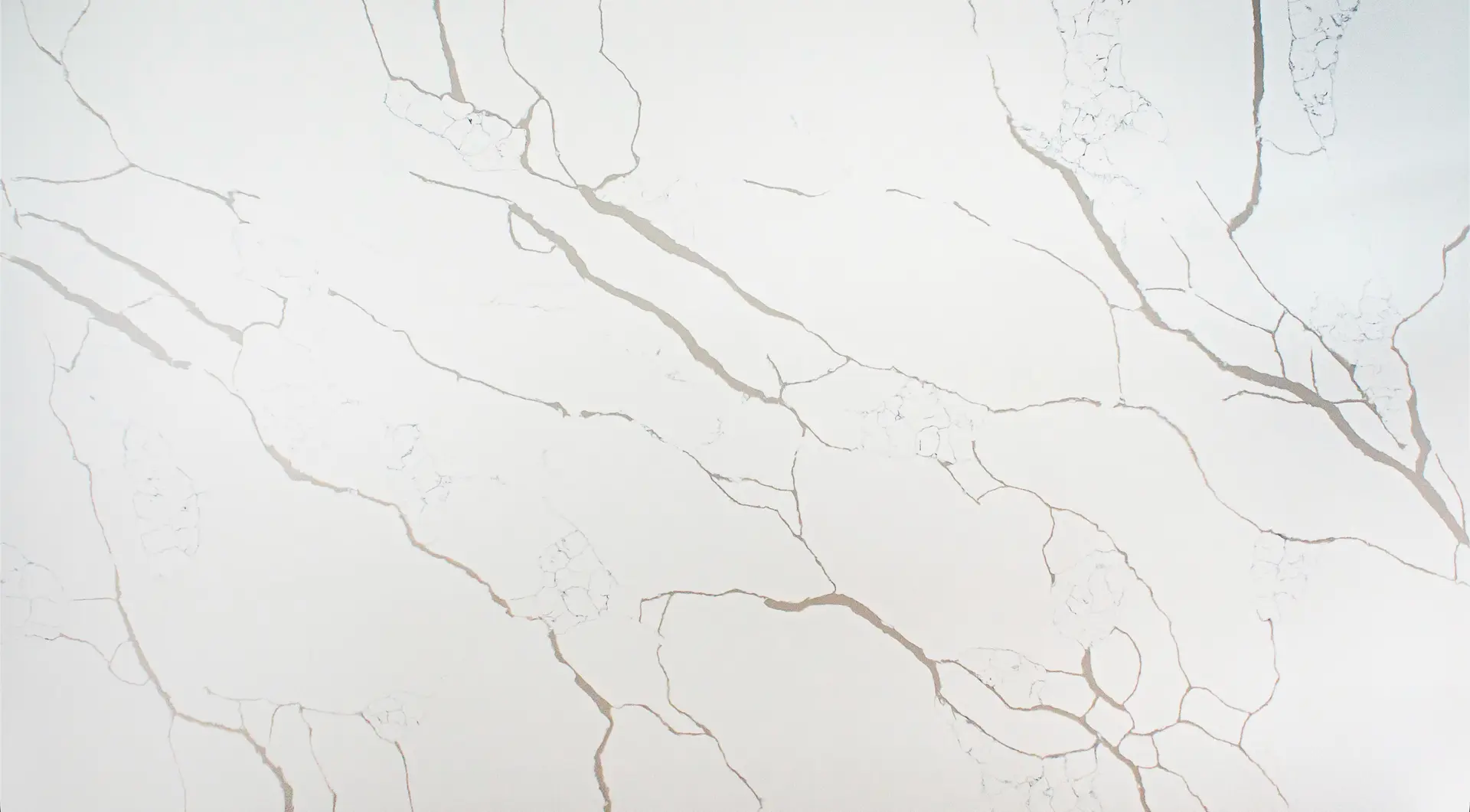
Because of this, quartz is non-porous. It doesn’t require sealing and is highly resistant to stains, making it a practical choice for everyday kitchens. It’s also durable and comes in a wide range of colours and patterns, including designs that mimic natural stone.
However, it’s not indestructible. While it resists stains well, prolonged exposure to strong chemicals or heat can cause damage or discolouration. It’s best to use trivets for hot pots and avoid harsh cleaning agents. For most households, though, quartz strikes a very good balance between aesthetics and practicality.
Porcelain
Porcelain countertops are becoming increasingly popular, and they’re worth serious consideration. Like quartz, porcelain is engineered, but it’s made from refined clay and minerals fired at extremely high temperatures.
The result is a very dense, non-porous surface that is highly resistant to stains, heat, UV light, and scratches. It performs exceptionally well in demanding environments, and unlike some materials, it won’t fade over time if exposed to sunlight.
Image: Estrella SA
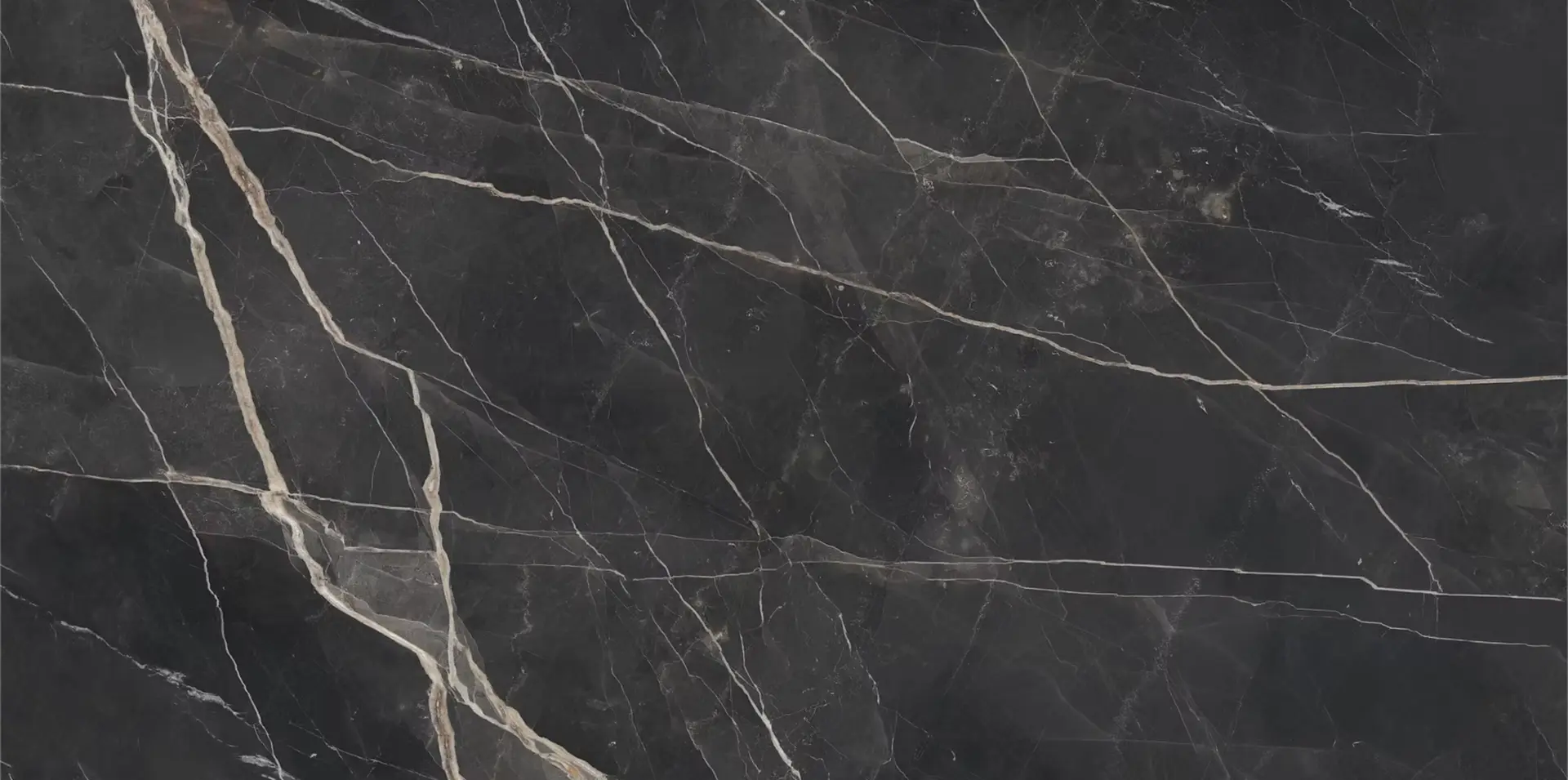
It’s often slightly more expensive than quartz, but not dramatically so, depending on the brand and finish. While porcelain is very hard, it’s also relatively thin compared to other materials, which means the substrate and installation need to be done correctly. It’s also worth noting that while it’s highly scratch-resistant, it’s not advisable to use it as a cutting board, your knives will suffer long before the countertop does.
Overall, porcelain is one of the lowest-maintenance options available and a strong contender for modern kitchens.
Laminates
Laminates have come a long way. Traditionally known through brands like Formica, they’ve always been a budget-friendly option, and they still are.
They’re made by bonding layers of paper and resin under high pressure, resulting in a lightweight surface that’s easy to install. Modern laminates offer a wide range of finishes, including surprisingly convincing stone and wood looks.
While they’re cost-effective and practical in many scenarios, they don’t offer the same durability as stone. They can be susceptible to heat damage, scratching, and moisture ingress if not properly sealed at the edges. That said, for certain applications, or tighter budgets, they still make a lot of sense.
Image: PG Bison (Luxora)
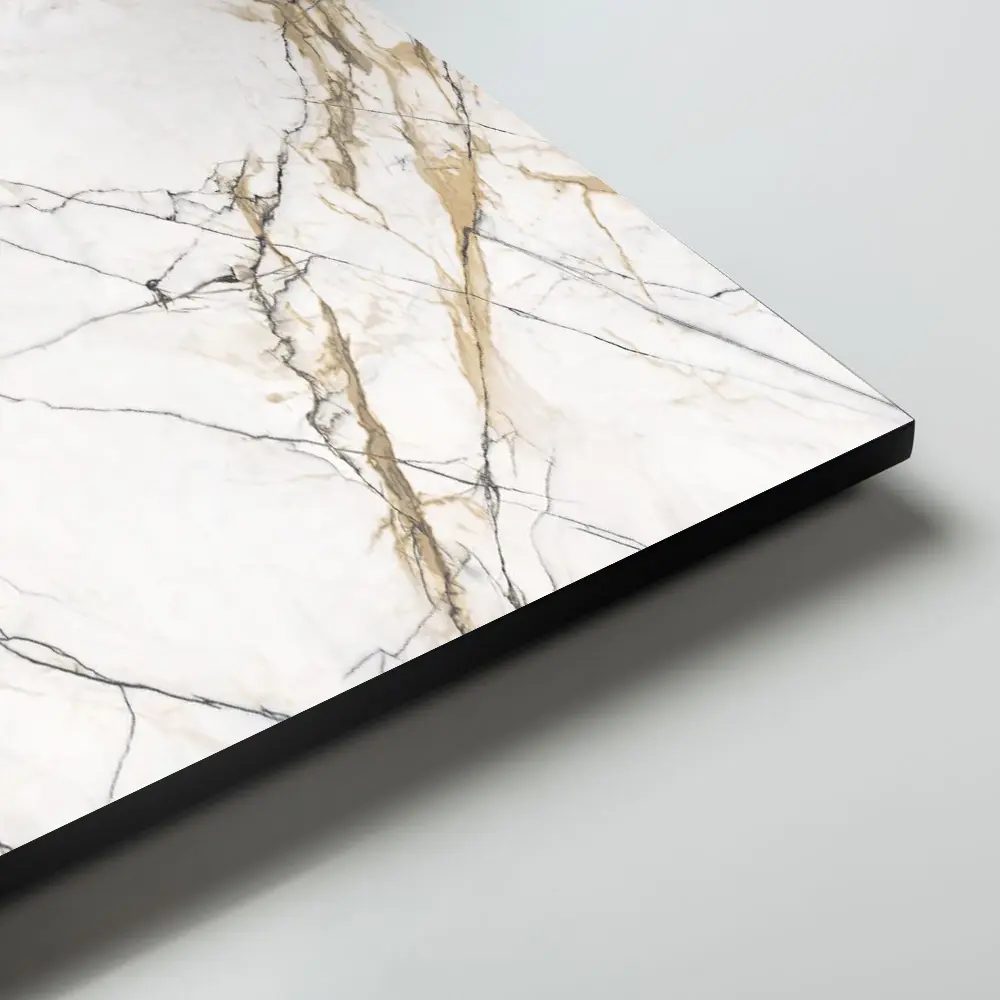
A newer product worth mentioning here is Luxora™ by PG Bison. It’s a premium, locally available countertop solution with a solid black core and a durable decorative surface. It’s designed to give a sleek, modern look, especially with exposed edges.
Unlike traditional laminate, Luxora™ is built on a high-density fibreboard (HDF) core rather than standard MDF, which improves its strength and performance. While it’s not a stone product, it offers a refined alternative that sits somewhere between laminate and engineered surfaces in terms of look and feel.
Final Thoughts
At the end of the day, there’s no one-size-fits-all answer. The right countertop depends on how you use your kitchen.
If you love baking and don’t mind maintenance, marble might be worth it. If you want something durable and natural, granite is a solid choice. If you’re after low maintenance with a clean, consistent look, quartz delivers. And if you want maximum durability with minimal upkeep, porcelain is hard to beat. Laminates and newer products like Luxora™ offer great alternatives where budget or design direction calls for it.
The key is to be honest about how you use your space. Your countertop should work for you, not the other way around.
If you’d like help choosing the right surface for your kitchen, feel free to reach out to us at hello@dbstudio.co.za.